
When teaching the Civil War, it’s important to highlight the diverse and sometimes unexpected roles individuals played during this tumultuous period. One such figure is Rose Greenhow, a Confederate spy whose life and actions provide a captivating story that can engage students and offer a deeper understanding of the era.
 The Beginnings of a Spy
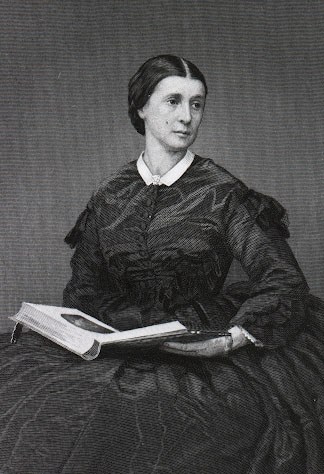
Rose Greenhow was born into a slaveholding family in Maryland and became a prominent socialite in Washington, D.C. As a widow living near the White House with her young daughter, Little Rose, Greenhow’s close proximity to the center of power allowed her to cultivate relationships with key figures in Washington society. Among her acquaintances were future Confederate President Jefferson Davis and Senator John C. Calhoun, a staunch defender of slavery. These connections would later prove vital as she transitioned from a socialite to one of the most notorious spies for the Confederacy.
When the Civil War broke out, Greenhow was approached by Lieutenant Colonel Thomas Jordan, who served under General P.G.T. Beauregard, to organize a network of Confederate sympathizers in Washington, D.C. Eager to aid the Southern cause, Greenhow agreed and quickly became a dedicated and effective spy. Her work did not go unnoticed; Union officials soon labeled her “formidable,” noting her “masterly skill” in espionage.
The First Battle of Bull Run
One of Greenhow’s most significant contributions to the Confederate war effort came in July 1861. She managed to send two ciphered messages to Confederate forces about a planned Union advance on Manassas Junction, Virginia. This intelligence was critical to the South’s victory at the First Battle of Bull Run, the first major battle of the war. General Beauregard later credited Greenhow’s information as pivotal to the Confederate success.
Greenhow’s activities did not go unnoticed for long. Union General George McClellan ordered his intelligence chief, Allan Pinkerton, to investigate her. Pinkerton’s surveillance uncovered Greenhow’s involvement in espionage, leading to her arrest. Despite being placed under house arrest, Greenhow continued to gather and relay information to the Confederacy, even using her young daughter to smuggle messages written on candy wrappers.
Imprisonment and Exile
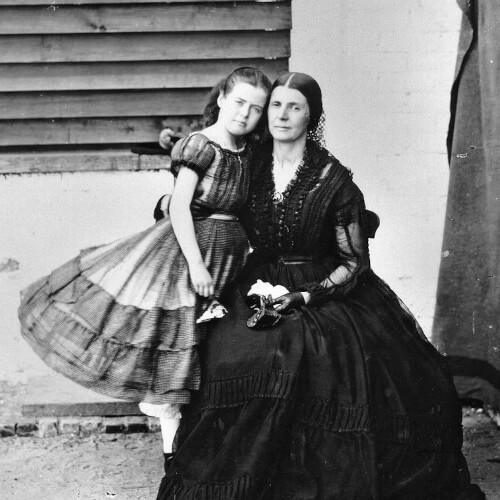
In January 1862, Greenhow was moved to the Old Capitol Prison in Washington, D.C., where she stayed for four months with her daughter. After her release, she was deported to Richmond, Virginia, where she was celebrated as a hero. Her dedication to the Confederate cause led to an appointment as a European envoy, where she worked to gain support for the Confederacy abroad.
A Tragic End
Greenhow’s story ends tragically. In 1863, while returning to America on a British blockade-runner, her ship was pursued by a Union gunboat and ran aground near the North Carolina coast. Greenhow attempted to flee in a lifeboat but drowned when it capsized, weighed down by the gold she was carrying.
In 1864, Rose Greenhow was traveling back to Richmond aboard the blockade runner Condor when a Union gunboat began pursuit. Although the ship had already reached the protection of Fort Fisher’s guns, she did not realize it and feared capture by Union forces. She insisted on leaving the vessel in a small boat to reach shore. She was the only woman on board, and when the boat overturned, she was the only passenger who drowned. At the time of her death $2,500 in gold, which she had received from the sale of a book published in London about her imprisonment, was found in her clothes. Greenhow’s body was carried to Fort Fisher and from there to Wilmington where a full military funeral was conducted. She was buried at Oakdale Cemetery.
Bringing Greenhow’s Story to the Classroom
Rose Greenhow offers a strong entry point for teaching the Civil War through human experience rather than only military events. Her life connects directly to key themes such as loyalty, sacrifice, risk, and the evolving role of women in wartime. When you include her story in your instruction, you give students a way to analyze how individuals influenced larger historical outcomes.
You can bring Greenhow’s story into your classroom through the use of primary sources. Letters, coded messages, and wartime maps help students examine how information moved and how intelligence shaped decisions. These sources also allow students to practice close reading and interpretation skills. Role-playing activities add another layer of engagement. Assign students different historical perspectives, including Greenhow, Union officials, and foreign observers. This approach helps students evaluate motives, decisions, and consequences from multiple viewpoints.
Greenhow’s experiences also support deeper analysis of how civilians contributed to the war effort. She used her social connections in Washington, D.C. to gather and transmit information to Confederate leaders. You can ask students to consider how personal networks functioned as tools of influence. Prompt them to evaluate the risks she accepted and the potential outcomes of her actions. This line of questioning encourages critical thinking about decision making under pressure.
Her story also provides a clear example of espionage during the Civil War. Students can investigate how intelligence affected military strategy, including how information may have influenced early Confederate successes. Ask students to consider alternative outcomes. For example, what changes might have occurred if Union forces had intercepted her messages? This type of analysis strengthens cause and effect reasoning.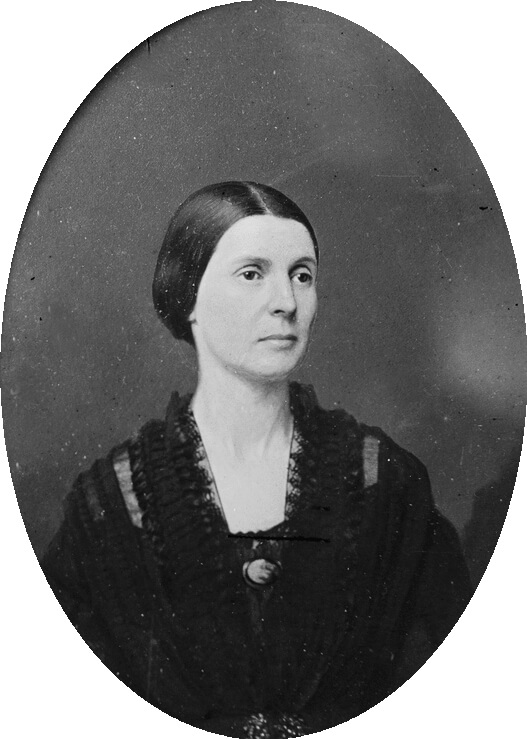
Greenhow’s interactions with European leaders such as Queen Victoria and Napoleon III help students see the international dimension of the conflict. You can use this to expand lessons beyond the United States and examine how global politics shaped the war. Students begin to understand that the Civil War had diplomatic implications that reached far beyond the battlefield.
Finally, her death in 1864 provides an opportunity to examine the personal costs of war. It highlights the dangers faced by those involved in espionage and reinforces the idea that civilians, including women, experienced significant risk. This moment encourages reflection on how belief, loyalty, and circumstance influenced individual choices during the war.
By integrating Greenhow’s story into your teaching, you help students build a more complete understanding of the Civil War. They move beyond battles and dates and begin to analyze the people, decisions, and consequences that defined the era.
0 Comments