
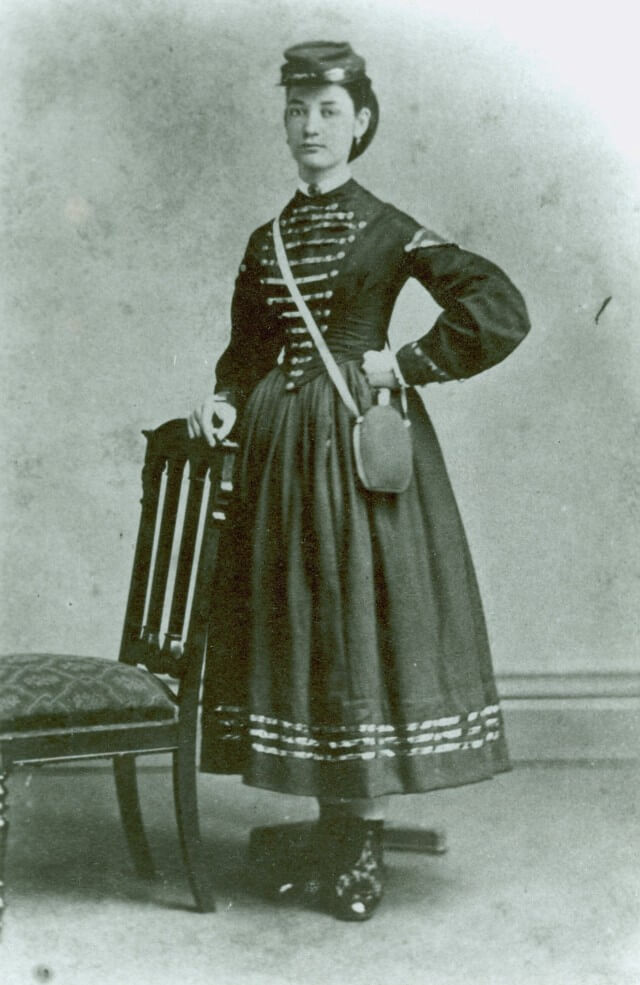
 When people study the American Civil War, they often focus on soldiers, generals, and major battles. This focus leaves out a group of individuals who played a direct and practical role in army life. Among them were the vivandieres, women who lived and worked with regiments and supported soldiers in ways that extended far beyond traditional expectations.
The role of the vivandiere developed in European armies, especially in France. These women attached themselves to military units, most famously the Zouaves, and provided both physical and emotional support to soldiers. They sold food and drink, cared for the wounded, and helped maintain daily life in camp. Their presence reflected a long-standing military tradition in which armies relied on noncombat support personnel who traveled alongside troops.
Vivandieres stood out because of how they blended into military culture. They often wore modified versions of their regiment’s uniform. This clothing usually included a jacket similar to the soldiers’, along with a skirt worn over trousers. Many carried a small barrel, or cask, slung over the shoulder. This cask held water, wine, or brandy, which they distributed to soldiers in need. Their appearance made them highly visible and closely tied to the identity of their unit.
Their responsibilities covered a wide range of essential tasks. A vivandiere might prepare meals, mend uniforms, wash clothing, and assist with medical care. During times of illness or injury, they acted as nurses, providing basic treatment and comfort. In camp, they helped maintain order and routine. These contributions supported army operations in direct ways, even though they did not usually take part in combat.
Most vivandiere left the front lines when heavy fighting began. Military leaders often sent them to safer areas to reduce risk. Even so, some women refused to step away from danger. Their decisions challenge common assumptions about who experienced the hardships of war.
One of the most well-documented examples is Marie Brose Tepe, often called “French Mary.” She served with the 114th Pennsylvania Infantry Regiment, also known as Collis’ Zouaves. Her actions during the Battle of Gettysburg show how vivandiere contributed under extreme conditions.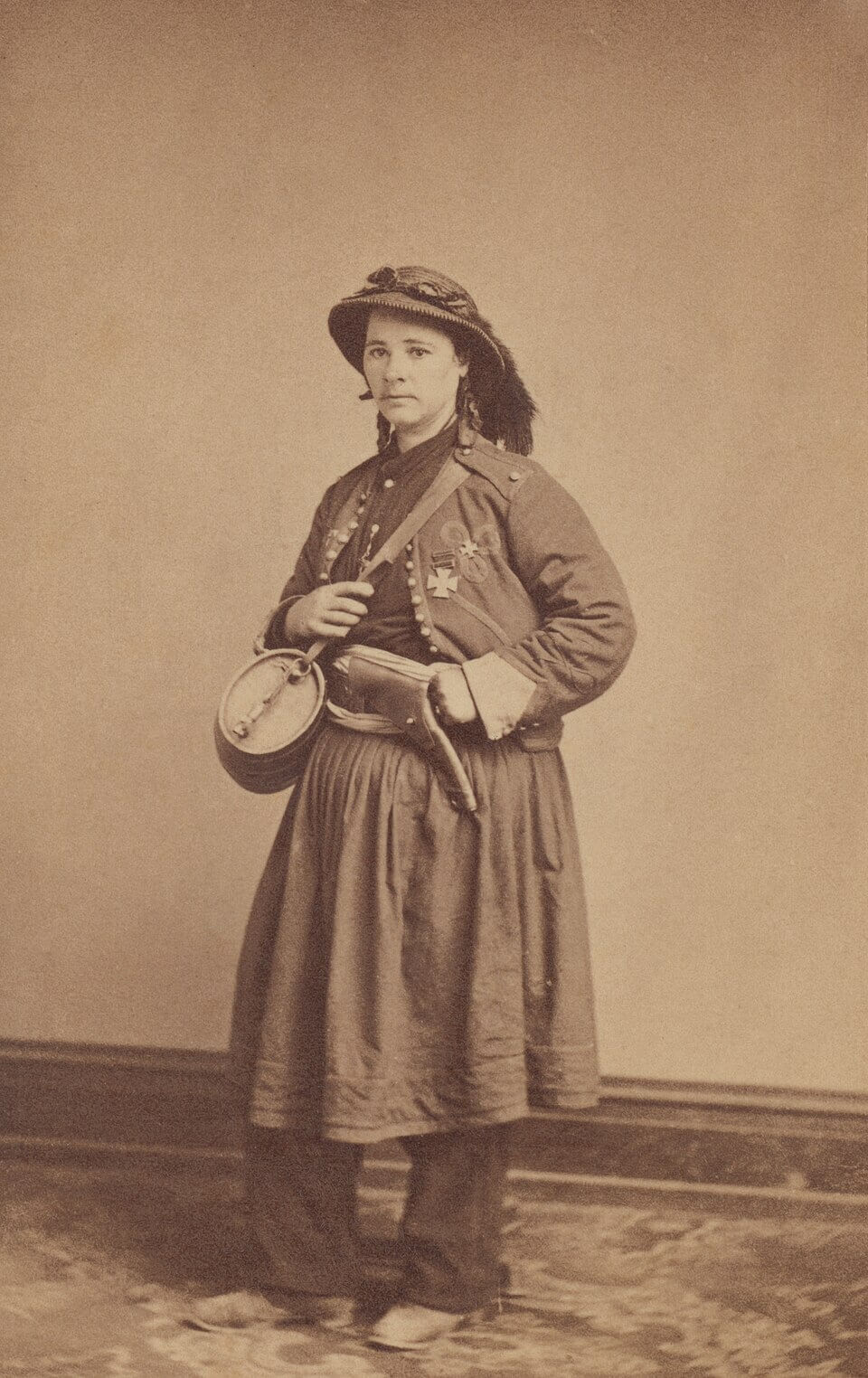
During the heaviest fighting at Gettysburg, she moved across the battlefield to deliver water to wounded soldiers and assist with their care. This work required her to operate in areas exposed to active gunfire. Her presence placed her in the same danger as the soldiers she supported. Unlike many others in similar roles, she remained with her regiment during intense combat.
Her service extended well beyond a single battle. She participated in thirteen engagements over the course of the war. She also carried a .44 caliber pistol, which suggests that she prepared to defend herself if necessary. Her daily duties included cooking, washing, and repairing clothing for soldiers in her unit. These tasks formed the foundation of camp life and allowed soldiers to focus on military operations.
Marie Brose Tepe also received compensation for her work. She drew the pay of a soldier and earned additional wages for hospital and headquarters services. This arrangement highlights the formal recognition of her contributions, even if it remained unusual for women at the time. At one point, administrative disputes over the enlistment of women stopped her pay. Despite this setback, she continued her service without interruption.
After the Battle of Gettysburg, she worked as a nurse in a field hospital along Taneytown Road. There, she cared for wounded soldiers during the critical weeks following the battle. This period required sustained effort, as medical facilities struggled to handle the large number of casualties.
She later rejoined her regiment and remained with it through the end of the war. Historical accounts suggest that she took part in the Grand Review of the Armies in Washington, D.C., a major event that celebrated Union victory. Shortly after, the regiment mustered out of service, marking the conclusion of her wartime experience.
The story of vivandiere expands how we understand military history. These women performed essential labor that supported soldiers in both routine and crisis situations. Their work crossed boundaries between civilian and military life, and between traditional gender roles and wartime necessity.
When you study the Civil War, consider how armies functioned beyond the battlefield. Look at the systems that sustained soldiers each day. Vivandieres offer a clear example of how support roles shaped the outcome of military campaigns and the experiences of those who fought in them.
0 Comments