
Middle school students often enjoy lessons that combine history with practical problem-solving. The Battle of Antietam offers one such opportunity. By focusing on Burnside’s Bridge, teachers can connect social studies with mathematics in ways that promote both critical thinking and teamwork.
Historical Context on the Battle of Antietam
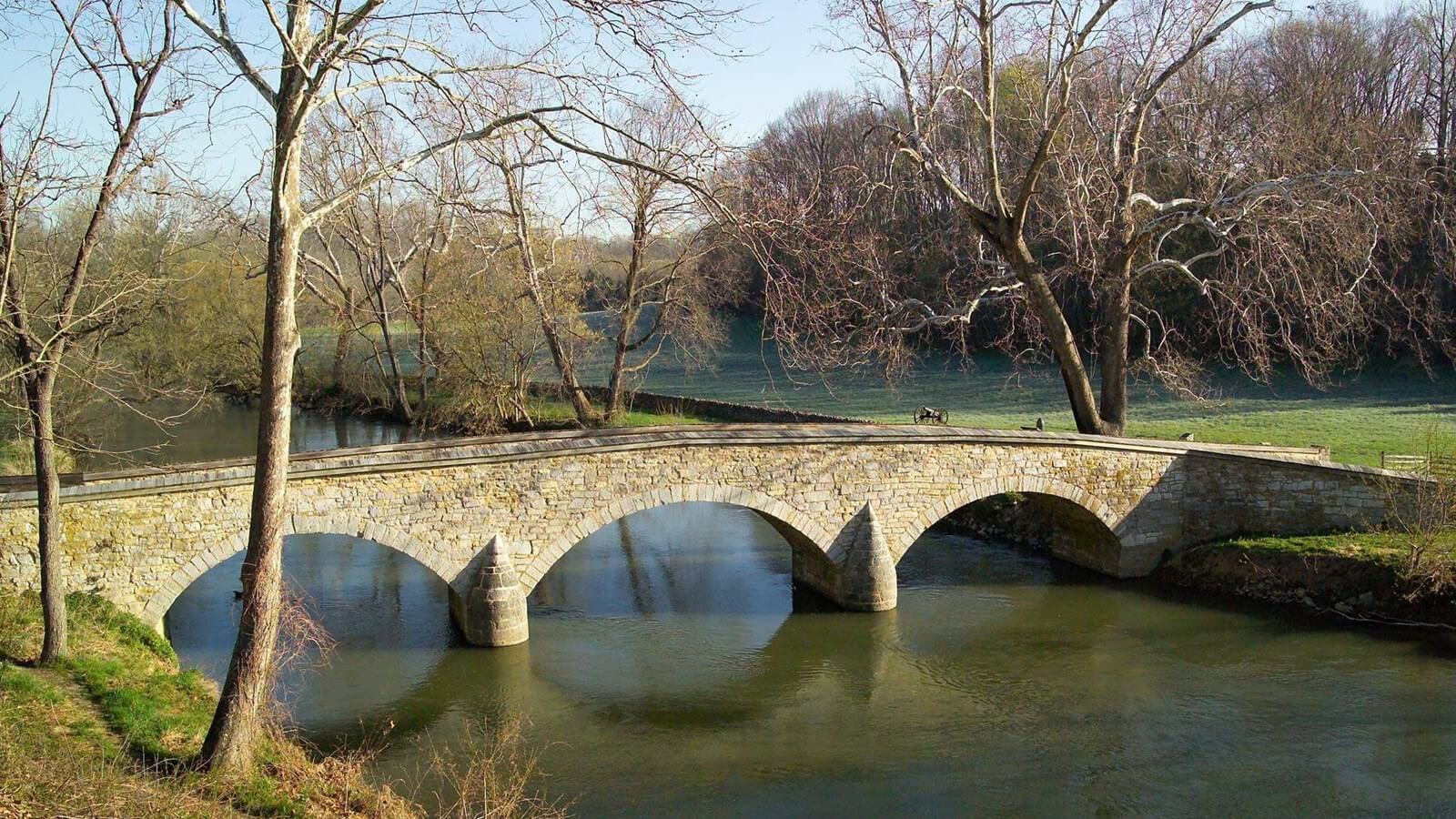
Burnside’s Bridge became a key site during the Battle of Antietam on September 17, 1862. Union General Ambrose Burnside ordered repeated assaults to cross the narrow stone bridge over Antietam Creek, defended by Confederate soldiers on the high ground. The bridge’s size and the formations of troops played an important role in the timing and outcome of the attack. According to the National Park Service, the bridge is about 125 feet long and 12 feet wide.
Integrating Math into Social Studies
Teachers can use the bridge’s dimensions and Civil War marching practices to design math-focused group projects. These projects help students move beyond memorizing dates and names, encouraging them to think about how space, time, and numbers shaped historical events.
- How many soldiers fit across the bridge?
- The average shoulder-to-shoulder width of a soldier in formation was about two feet.
- At 12 feet wide, the bridge could hold about six soldiers standing side by side.
- Students can calculate how many soldiers could cross in one line, then scale up to an entire regiment.
- How many steps are there to cross the bridge?
- The bridge is 125 feet long.
- Civil War marching pace was about 28 inches per step.
- Students can convert feet to inches and calculate the number of steps it would take a soldier to cross.
- Extension: Estimate how long it would take a company of soldiers to cross at 110 paces per minute.
- How long would it take for a regiment to cross?
- A regiment typically consisted of several hundred soldiers.
- Using group estimates from the two problems above, students can calculate the total crossing time.
- This can lead to discussions about how delays in crossing affected the Union attack.
- How does the creek itself affect the crossing?
- Ask students to research the average depth of Antietam Creek and the current speed.
- Students can compare the difficulty of crossing directly through the water versus using the bridge.
- This gives them insight into why the bridge was so heavily contested.
Group Project Design
Divide students into groups of three or four. Assign each group a specific problem with guiding questions. Each group should present both their calculations and the historical reasoning behind their answers. Encourage groups to explain any assumptions, such as the width of soldiers or the pace length they used.
Research Skills
Students should use reliable sources to gather data. Recommended starting points include:
- National Park Service’s Antietam Battlefield resources

- Antietam National Battlefield information on Burnside’s Bridge
- Antietam National Battlefield Teacher Resources
- Civil War drill manuals for marching pace and formations
Deeper Learning Options
For students who need enrichment:
- Compare Burnside’s Bridge to other Civil War bridges in terms of width and length.
- Use ratios to examine how troop numbers compare to available crossing space.
- Explore how long it would take to move supplies and artillery across the bridge compared to infantry.
Discussion Questions
- How did the physical dimensions of Burnside’s Bridge affect the Union Army’s ability to cross?
- In what ways does math help us understand the challenges faced by soldiers?
- What assumptions did your group make, and how might different assumptions change your results?
Conclusion
By combining math and social studies, teachers give students a deeper understanding of both subjects. Burnside’s Bridge is more than a stone structure; it represents how physical space, human movement, and numbers influenced a critical moment in American history.


0 Comments