
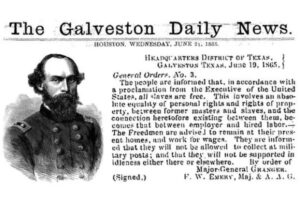
 Today, June 19th, marks a profound and pivotal moment in American history: Juneteenth. On this day in 1865, U.S. Army Major General Gordon Granger issued General Order No. 3 in Galveston, Texas, marking the final enforcement of the Emancipation Proclamation and declaring freedom for enslaved people in the state. Juneteenth, also known as Freedom Day, Jubilee Day, Cel-Liberation Day, Second Independence Day, and Emancipation Day, represents not only the end of slavery but also a celebration of freedom and equality.
Understanding Juneteenth
General Order No. 3 reads: “The people of Texas are informed that, in accordance with a proclamation from the Executive of the United States, all slaves are free. This involves an absolute equality of personal rights and rights of property between former masters and slaves, and the connection heretofore existing between them becomes that between employer and hired labor.”
This announcement came two and a half years after President Abraham Lincoln issued the Emancipation Proclamation, highlighting the delayed impact of this significant declaration in the southern states. Juneteenth embodies a crucial moment in the struggle for freedom and civil rights, and it serves as a reminder of the long path to full equality.
Teaching Juneteenth: Engaging Students with Primary Sources
- Exploring General Order No. 3
Activity: Analyze the text of General Order No. 3.
How to Implement:
- Primary Source: Provide students with a copy of General Order No. 3. Discuss its language and implications, focusing on how it reflects the period’s social and legal context.
- Questions: What does the language of the order reveal about the expectations for newly freed individuals and their former enslavers? How might the announcement have been received by different groups?
STEM Integration:
- History & Technology: Use digital archives to compare different versions of General Order No. 3 and explore how primary documents are preserved and accessed.
- Investigating Personal Accounts and Letters
Activity: Read and analyze personal letters or diaries from individuals who experienced Juneteenth.
How to Implement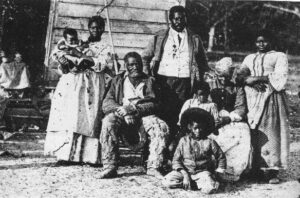
- Primary Source: Use letters or diaries from formerly enslaved individuals or Union soldiers stationed in Texas. Analyze their reflections on emancipation and freedom.
- Questions: How did these individuals describe their experiences on Juneteenth? What hopes and concerns are evident in their writings?
STEM Integration:
- Science & Math: Explore statistical data from the period, such as population numbers and economic impacts of emancipation, using historical records and digital tools.
- Exploring Juneteenth Celebrations
Activity: Examine historical and contemporary celebrations of Juneteenth.
How to Implement:
- Primary Source: Analyze historical photos, posters, or newspaper articles documenting early Juneteenth celebrations. Compare these with current images and reports of Juneteenth festivities.
- Questions: How have Juneteenth celebrations evolved over time? What do these changes tell us about shifting attitudes toward freedom and equality?
STEM Integration:
- Engineering & Design: Encourage students to create a virtual timeline or interactive map showcasing the evolution of Juneteenth celebrations and their cultural significance.
- Creating Oral Histories
Activity: Conduct oral history interviews with community members or use recorded interviews from archives.
How to Implement:
- Primary Source: Gather oral histories from individuals who have personal or familial connections to Juneteenth. Analyze these narratives to gain insight into contemporary perceptions of the holiday.
- Questions: What personal stories and traditions do individuals associate with Juneteenth? How do these stories reflect broader historical themes?
STEM Integration:
- Technology: Use audio and video recording tools to capture and analyze oral histories. Explore data visualization techniques to present the findings.
Conclusion
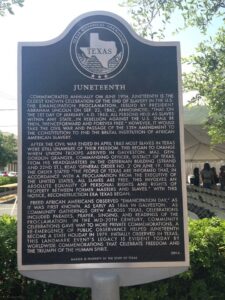 is a powerful symbol of freedom and the ongoing journey toward equality. By incorporating primary sources into your lessons, you can provide students with a richer, more nuanced understanding of this important historical event. From analyzing General Order No. 3 to exploring personal accounts and contemporary celebrations, engaging with primary sources allows students to connect deeply with the history and significance of Juneteenth.
This approach not only brings history to life but also fosters critical thinking and historical inquiry. As you prepare your lessons, consider how primary sources can illuminate the experiences and stories that make Juneteenth a day of reflection, celebration, and ongoing commitment to justice.


0 Comments