
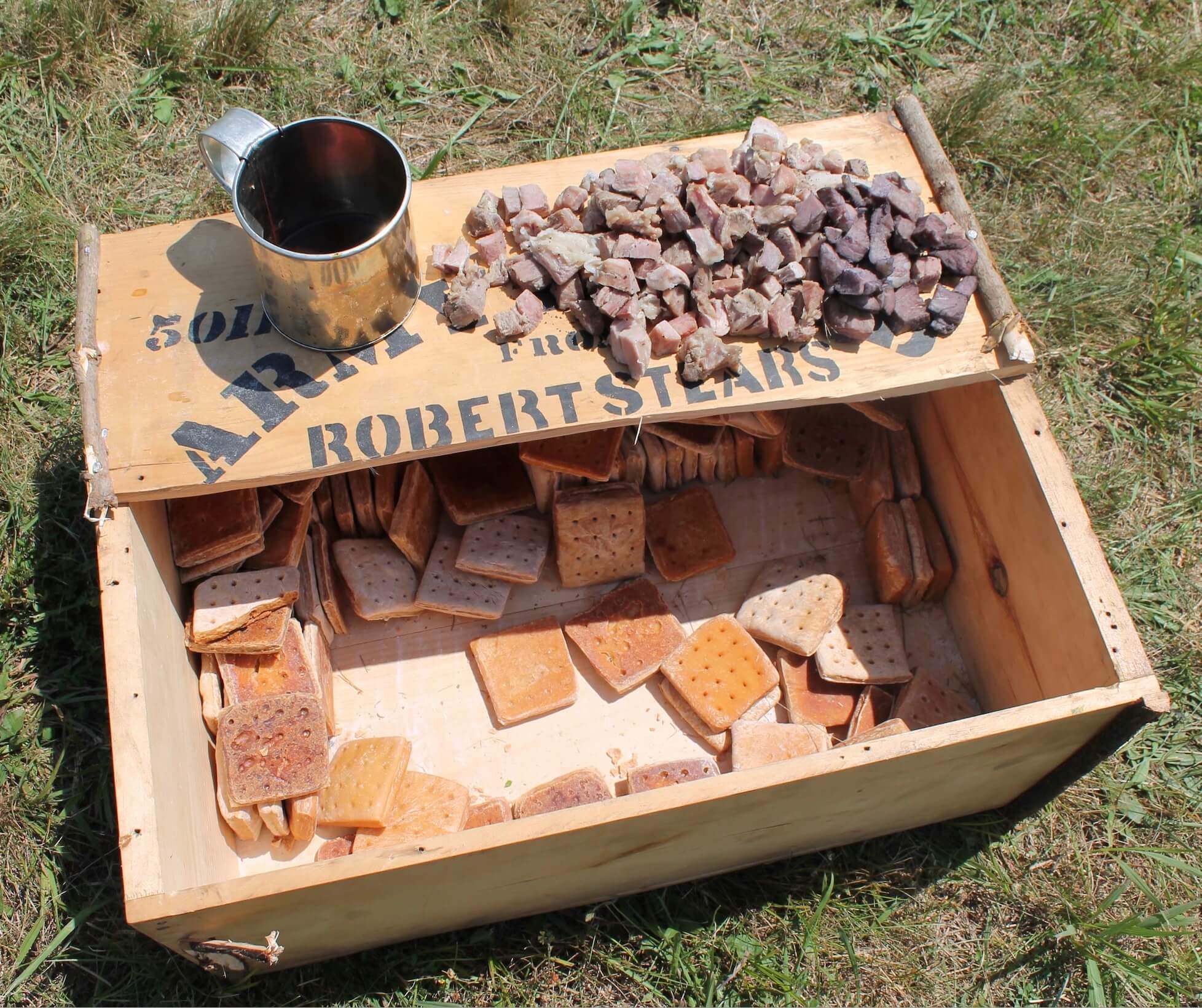
 As social studies educators, we often look for ways to make history relatable to our students. One such way is by exploring the everyday lives of people from the past, connecting their experiences to the present. Just as many of us start our day with a cup of coffee, so too did Civil War soldiers—but their relationship with coffee was far more complex and revealing of the broader historical context.
Coffee: A Daily Ritual for Soldiers
Imagine beginning your history lesson by asking students about their morning routines. Many will mention grabbing a cup of coffee or seeing their parents do so. This simple ritual ties us to the past, as coffee was an essential part of a Civil War soldier’s daily life. Soldiers would drink coffee whenever they could, using it to refuel for the long days and nights ahead. Coffee wasn’t just a beverage; it was a source of comfort, camaraderie, and even survival.
But coffee wasn’t always a standard part of a soldier’s ration. It became a wartime staple thanks to President Andrew Jackson’s Army General Order No. 100 in 1832, which replaced alcohol rations with coffee and sugar. This shift not only reflects the evolving attitudes toward alcohol in American society but also underscores the importance of coffee in maintaining soldier morale during the Civil War.
The Impact of the Union Blockade
The Union blockade, initiated in April 1861, had far-reaching effects on the availability of coffee, especially for Confederate soldiers and civilians. As the blockade tightened, goods that were once easily accessible became scarce. For Confederate soldiers, the dwindling supply of coffee was a significant loss. This shortage forced them and their families to get creative, finding new ways to procure or replicate their beloved beverage.
This aspect of Civil War history offers a great opportunity to engage students with primary sources. For instance, you might introduce them to a letter written by John Breckinridge, a soldier in the 28th Virginia Infantry. In October 1861, Breckinridge wrote to his sister about how some soldiers were given whiskey instead of coffee, leading to widespread drunkenness in camp. This letter not only provides insight into the daily life of a soldier but also highlights the challenges faced by the Confederacy due to the Union blockade.
The Creativity of Confederate Soldiers and Civilians
The scarcity of coffee led to a fascinating phenomenon: informal truces between Union and Confederate soldiers. These truces often involved trades between the picket lines, with Confederate soldiers offering Southern tobacco in exchange for Northern coffee. These exchanges, documented in letters and journals, reveal the human side of war, where even enemies found common ground over a cup of coffee.
One account from a Confederate soldier in Fredericksburg, Virginia, describes how he slipped a note across enemy lines, offering tobacco in exchange for coffee. This act of resourcefulness and humanity amidst the brutality of war is a powerful story to share with students, illustrating how common needs can bridge even the deepest divides.
Innovation on the Battlefield: The Coffee Wagon
Recognizing the importance of coffee to the troops, Jacob Dunton, a Philadelphia pill maker, sought to improve how coffee was delivered to the soldiers on the battlefield. In March of 1863, Dunton patented the “coffee wagon,” a remarkable innovation that combined the utility of a standard artillery caisson and gun carriage with the capacity to brew large quantities of coffee.
The coffee wagon was a modified artillery carriage outfitted with three 35-gallon wood-fired urns. These urns could brew up to 105 gallons of fresh coffee every hour, ensuring that large groups of soldiers could enjoy a hot cup even in the midst of battle. The wagon was pulled by a standard limber, but instead of ammunition, the chest was stocked with coffee beans and grinders, ready to serve the troops whenever needed.
The introduction of the coffee wagon was a game-changer. It allowed soldiers to have access to freshly brewed coffee on the march, something that was previously unimaginable. The wagon could move with the army, providing a steady supply of coffee, which in turn helped maintain the soldiers’ stamina and morale.
Coffee Substitutes: A Lesson in Adaptation
When coffee became scarce, Confederate families and soldiers devised creative substitutes using local resources. Roots, vegetables, and even seeds were ground up and brewed in an attempt to mimic the taste of coffee. This ingenuity is a testament to the resilience and adaptability of people during times of hardship.
You can bring this aspect of history to life in your classroom by exploring some of the recipes for coffee substitutes that circulated during the Civil War. For example, a Pennsylvania newspaper from 1862 recommended blends made from wheat, chestnut, sweet potato, and chicory root. These recipes, while not exactly delicious, demonstrate how communities adapted to the challenges posed by the war.
A particularly interesting example comes from Julia Breckinridge, who wrote to her mother-in-law in 1861 about trying dandelion coffee, which she found surprisingly good. Her letter provides a personal perspective on how families coped with shortages and found ways to maintain a sense of normalcy in difficult times.
Teaching the Legacy of Civil War Coffee Culture
By exploring the role of coffee in the Civil War, you can help your students connect with history on a personal level. This approach not only makes the past more relatable but also encourages students to think critically about how everyday items can play significant roles in larger historical events.
Consider incorporating primary sources, such as soldiers’ letters and newspaper articles, into your lessons. These documents offer authentic voices from the past and provide rich material for discussion and analysis. Additionally, hands-on activities, like trying to brew coffee substitutes (under safe, controlled conditions), can make history tangible and memorable for your students.
In conclusion, coffee during the Civil War was more than just a drink—it was a symbol of endurance, creativity, and connection. By bringing these stories into your classroom, you can inspire your students to explore history not just as a series of events but as the lived experiences of real people who, like us, found comfort in the simple things.

0 Comments